Matte black, brushed nickel or chrome: how each behaves in hard water

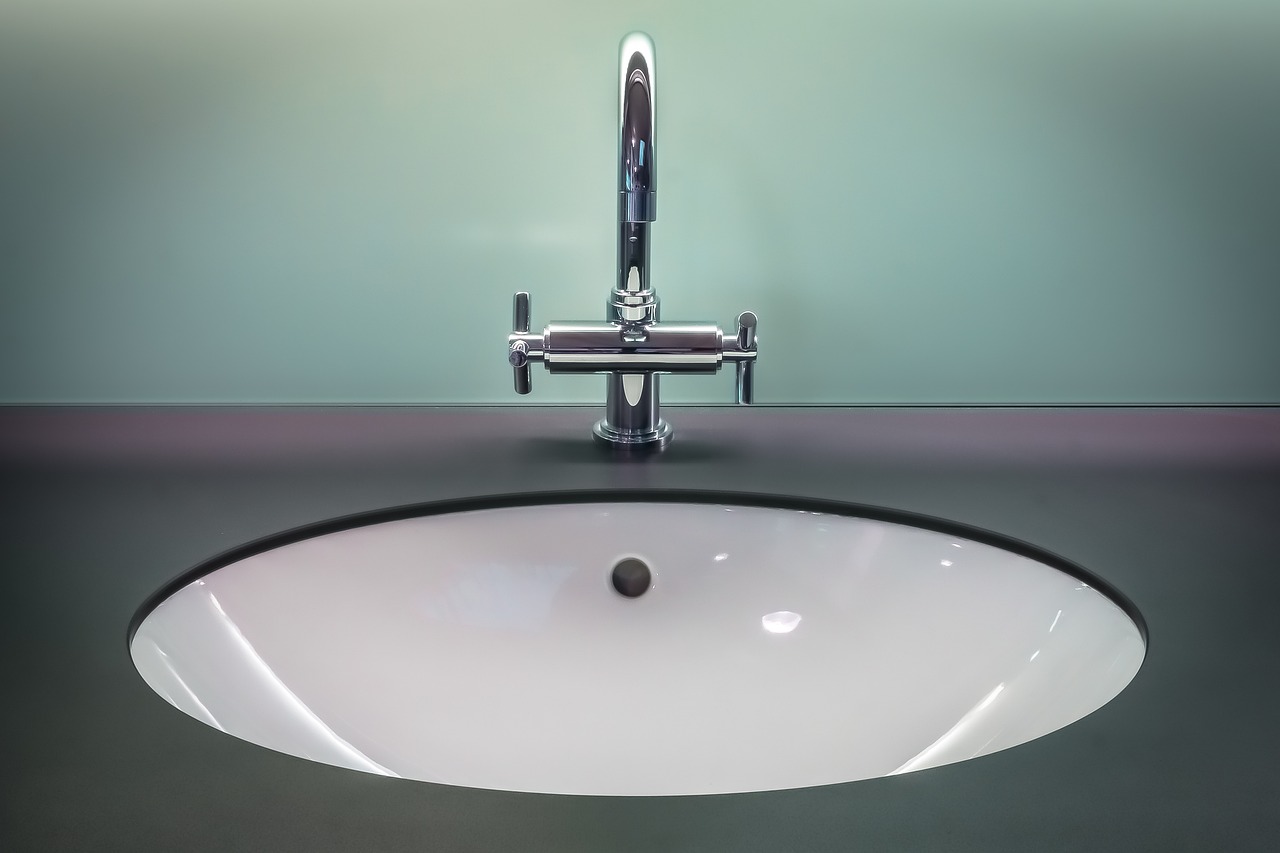
Every bathroom fitting is sold on how it looks in a studio photograph. What matters more, a year in, is how it looks after daily contact with your water.
What hard water actually does
Dissolved calcium and magnesium stay behind when water evaporates. On a fitting that means a chalky film that dulls the surface, and around aerators and spray faces, a build-up that changes the spray pattern. It is deposition, not corrosion — which is why it is largely reversible, and why the finish that shows it least is usually the easier one to live with.
How the three common finishes behave
- Bright chrome shows every water spot, because a mirror surface shows everything. It cleans up perfectly and looks immaculate for about a day.
- Brushed nickel and stainless have a directional grain that scatters light, so spotting is far less visible between cleans. For most Indian bathrooms this is the practical choice.
- Matte black hides water spots well but is the least tolerant of cleaning products. Abrasive pads and acidic descalers will lift the finish unevenly, and that wear cannot be polished back.
Cleaning that does not shorten the life
A soft, barely damp cloth and drying the fitting after use does more than any product. Where scale has built up, a weak vinegar solution on a cloth — not a scouring pad, and never left to sit on matte or brushed surfaces — will lift it. Avoid anything sold as a “power” bathroom cleaner on a coated finish; it is designed for tiles.
A note on plated plastic
Chrome over plastic is much cheaper than chrome over brass and looks identical on the shelf. It fails differently: instead of dulling, the plating flakes. Where a listing states the base material, read it. Where it does not, the weight of the part in your hand tells you most of what you need to know.
None of this is a defect question — it is a matching question. Pick the finish for your water, not only for your tiles.