Adhesive or drilled: where wall-mounted organisers actually hold

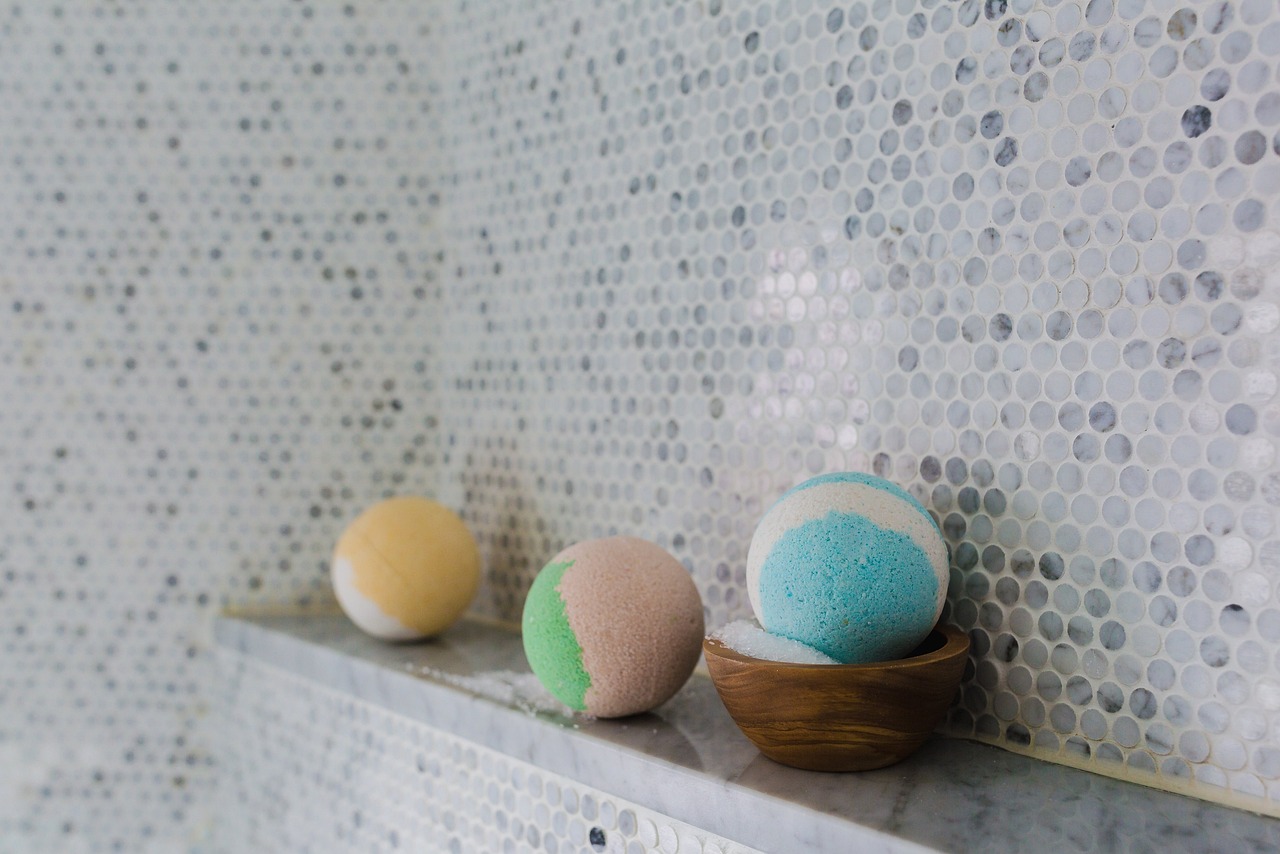
No-drill organisers are the easiest sell in a bathroom: no tools, no tiles cracked, no landlord conversation. They also generate more disappointed returns than anything else we stock — almost always because of the wall, not the product.
Where adhesive works
Modern adhesive pads bond properly to surfaces that are smooth, non-porous, clean and fully dry: glazed tile, glass, sealed stone, and stainless. On those surfaces a well-applied pad genuinely holds a loaded caddy for years.
Where it does not
- Textured or matt-finish tile. The pad touches only the high points; the real contact area is a fraction of what it appears to be.
- Grout lines. Porous and recessed. A pad spanning a grout line has a channel of air through the middle of the bond.
- Fresh paint. The pad holds the paint and the paint lets go of the wall — usually taking a patch with it.
- Anything still curing. New silicone and new paint continue to release solvent for days.
Applying it so it lasts
Clean the spot with isopropyl alcohol rather than a bathroom cleaner, which leaves a deliberate film. Let it dry fully. Press the pad firmly for thirty seconds. Then leave it alone for a day before loading it — the bond strengthens over hours, and the first heavy shampoo bottle hung after ten minutes is what pulls it off the wall.
When to drill instead
Grab rails and anything that will bear weight in a fall should be mechanically fixed, always. So should heavy towel rails on textured walls. If the item exists to be leaned on, adhesive is the wrong answer regardless of the rated load.
One practical note on returns: once an adhesive pad has been pressed to a wall it cannot be resold, so we cannot take it back. Check the surface before you peel the backing.