P-traps, J-bends and the smell that comes back

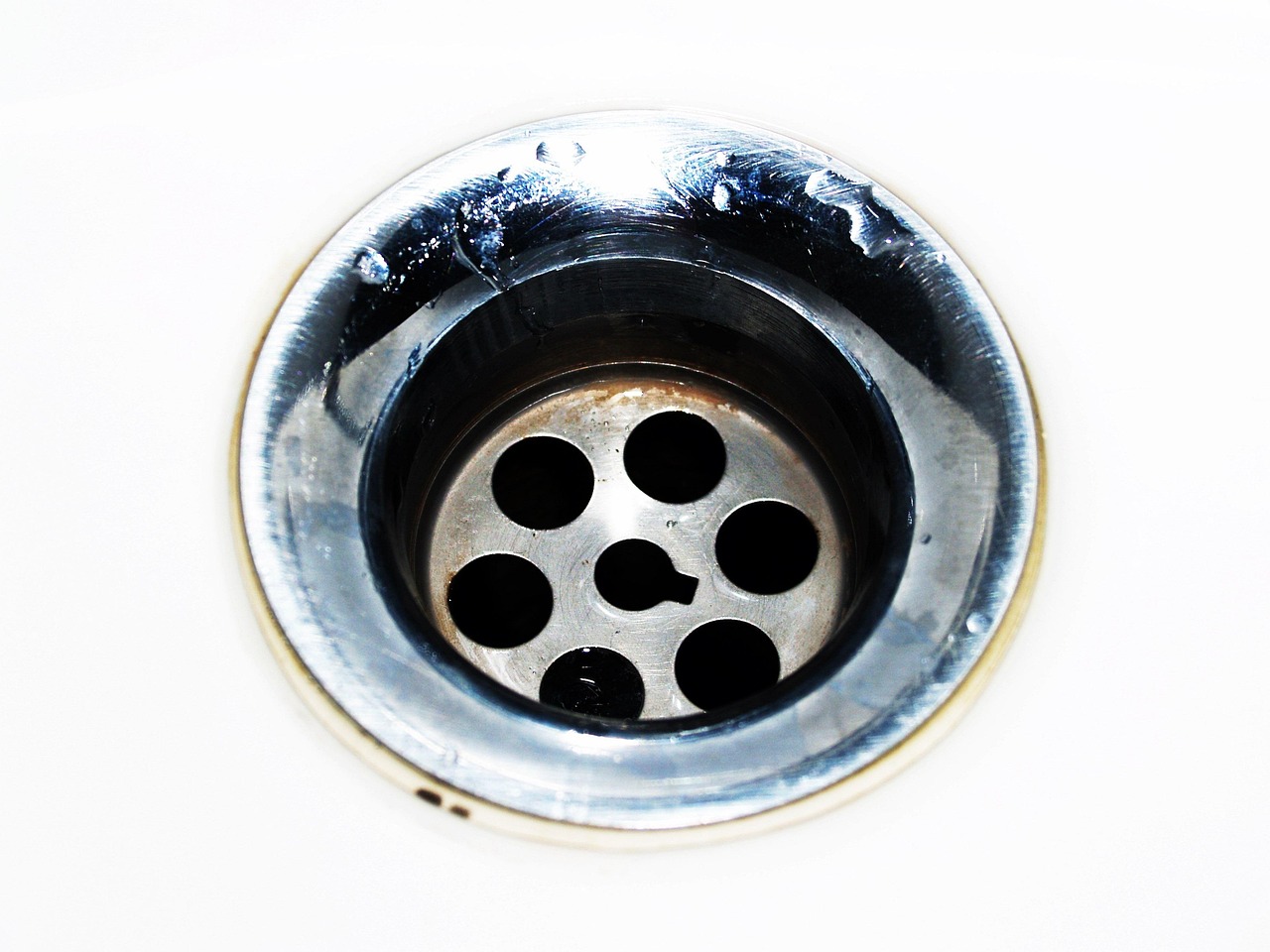
The part under a basin looks like plumbing at its least interesting. It is, in fact, the only thing standing between a bathroom and the sewer gas in the line below it.
How a trap works
A P-trap holds a small quantity of standing water in a bend. That water is a seal: waste passes through, and gas from the drain line cannot pass back. Nothing is powered, nothing is valved. The seal is the water.
Three ordinary reasons the smell returns
- Evaporation. A basin unused for two or three weeks — a guest bathroom, a flat locked up for a holiday — will let the seal dry out. Running the tap for ten seconds refills it. This is by far the most common cause.
- Siphoning. A poorly vented line can pull the seal out when a nearby fixture discharges. The clue is a gurgle from the basin when the toilet flushes or a washing machine drains.
- The seal is fine and the smell is biofilm. Soap, hair and skin oils build a layer inside the tailpiece just below the strainer. That layer smells, and it sits above the water. No trap can help; it needs cleaning out.
Reversible J-bends and why they exist
Many traps ship with a reversible J-bend so the outlet can face a wall stub or a floor stub without buying a different part. It is a genuinely useful piece of design, and it means one part covers two layouts — worth knowing before you order a second trap you do not need.
Fitting it without a slow weep
Slip joints seal on a tapered washer, not on brute force. Seat the washer the right way round, tighten by hand, then check with a dry tissue after a few minutes of running water. A joint that needs a wrench to stop dripping is a joint with a washer in wrong.
If a smell persists after the seal is confirmed full and the tailpiece is clean, the problem is venting — and that is a plumber’s diagnosis, not a part you can buy.